

Principles of good workplace design
Designing a better government workplace experience.
This section outlines key principles for good practice design that supports government agencies to provide a better workplace experience.
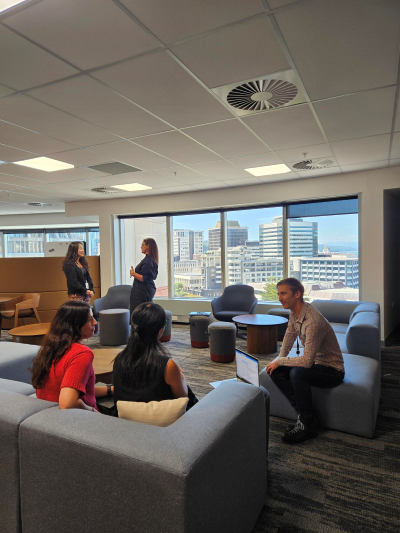
A well-designed active space with modular furniture and premium views encourages people to gather, connect and collaborate.
Why good workplace design matters
When government agencies, landlords, developers, and design teams follow good practice, they help deliver workplaces that:
- offer a mix of spaces to suit different work preferences and tasks
- meet the needs of most people (universal design)
- include technology that supports hybrid and dispersed teams
- offer a consistent quality of experience across the public sector.
Principles for good practice design
Following these principles helps create productive workplaces that encourage collaboration, use space efficiently, and can adapt as public service needs evolve.
Apply the principles and supporting guidance at every stage of decision-making – from planning and site selection through to design, construction, and post-occupancy.
Human-centric
Design workplaces that embed wellbeing, inclusivity, cultural appropriateness, and good ergonomics. Spaces should feel comfortable, foster a sense of belonging, and support positive everyday experiences.
Safe and secure
Create workplaces that protect people, assets, and information. This includes physical safety, digital security, and health and safety requirements.
Choice of settings
Provide a mix of settings – from quiet focus areas to collaborative and social spaces so people can choose the space that best suits their task or activity. This encourages autonomy, mobility, and inclusive ways of working.
Zoned by behaviour
Organise the workplace into clear zones that support different types of activity. Zoning helps set clear expectations for how each area should be used (for example, quiet or collaborative) and helps people choose the right space for their task.
Connected and collaborative
Design spaces that encourage connection within and across teams, and between agencies where buildings are shared. Layouts should support visibility, movement, shared experiences, and easy collaboration, while still providing options for focused individual work.
Shared by default
Prioritise shared settings and spaces over individually assigned settings. Shared use supports flexible working, makes the best use of space, and helps ensure everyone has access to the tools and spaces they need.
Technology-enabled
Provide technology that supports the purpose of each space and works reliably for people on site as well as those joining remotely. This includes everything from simple plug‑and‑play at workstations to seamless video‑conferencing and content sharing in meeting rooms and collaborative spaces.
Welcoming and easy to navigate
Design workplaces that offer a welcoming and functional experience for all users - including day-to-day users, visiting staff and external guests. Provide clear wayfinding, appropriate access and security settings so people can move through and use the space with confidence and understanding.
Planned for flexibility
Consider how the fit‑out will support future changes in workplace needs. Use modular layouts and furniture solutions that can be reconfigured easily. Invest in fixed elements only where they are unlikely to change.